“Didn’t I tell you it would break?”
Born a slave, Epictetus became the most influential Stoic teacher of his age. One story shows why.

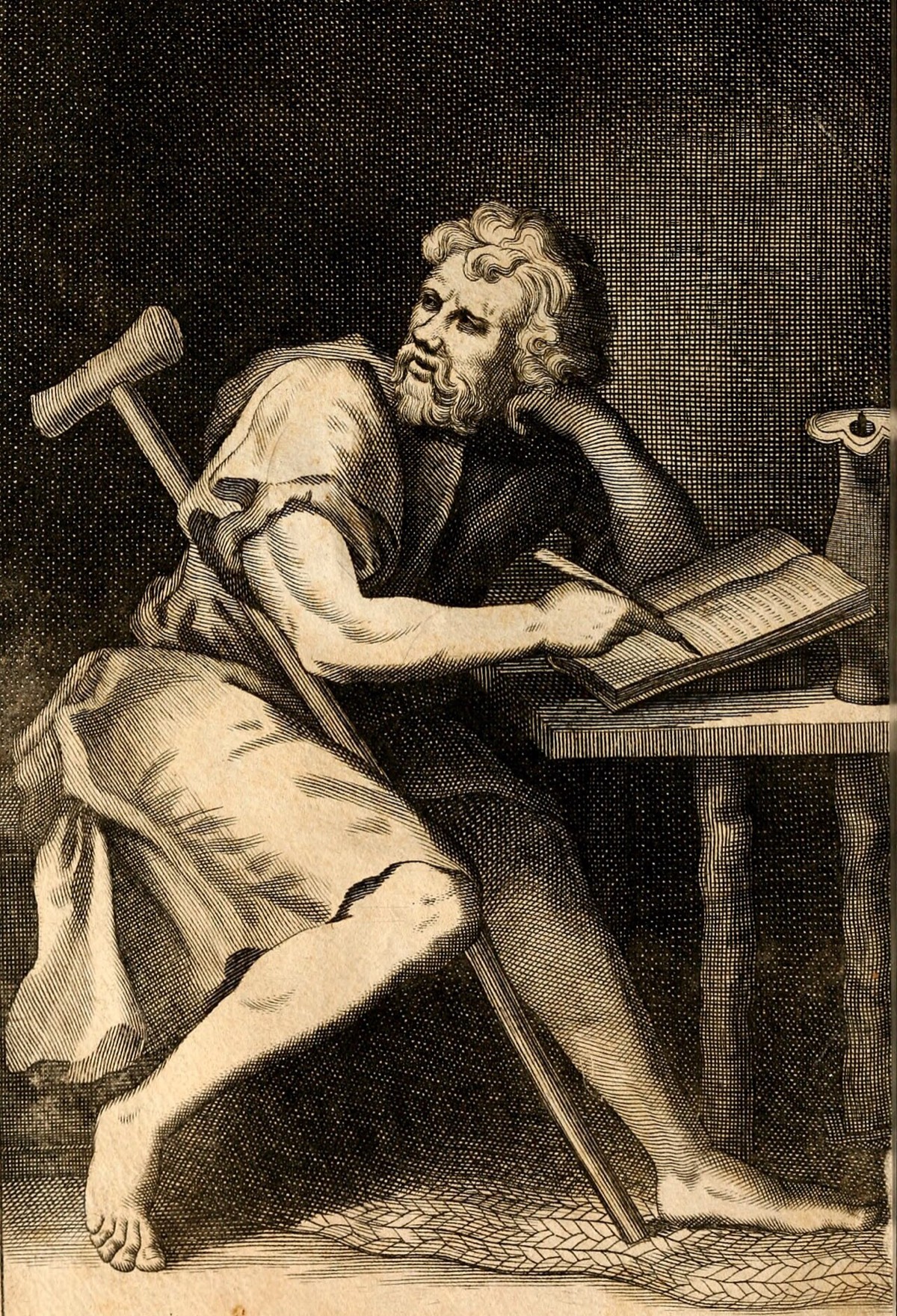
Epictetus was born around 50 AD in Hierapolis, in what is now Turkey. His name simply means “acquired”. He was enslaved in Rome to Epaphroditus, a wealthy freedman who served the emperor Nero.
He walked with a limp all his life. One ancient story explains it: his master once began twisting his leg. Epictetus calmly warned him that it would break. When the bone snapped, he said only: “Didn’t I tell you it would break?”
The story may be legend; another source says his lameness came from illness. But it captures what Epictetus taught. Our bodies, possessions and reputations are not truly in our control. Our judgements and choices are.
Eventually freed, he studied with the Stoic Musonius Rufus and taught in Rome until the emperor Domitian banished philosophers around 93 AD. He moved to Nicopolis in Greece and opened a school. An emperor, Marcus Aurelius, would later treasure his words.
Sources
- Origen, Against Celsus 7.53
- Suda, entry “Epictetus”
- Arrian, Discourses of Epictetus
“Men are disturbed not by things, but by the views which they take of them.”Epictetus
Read real Epictetus quotes, with sources →
One real quote from history, every morning.
Kleos sends you a verified quote, the story behind it and a wallpaper, every day. Free to start. Join the waitlist for 1 month of Premium free at launch.
Join the waitlistMore about Epictetus
More philosophy stories


