Two hours versus two minutes
The main speaker at Gettysburg talked for two hours. Lincoln spoke for about two minutes — and wrote the speech America remembers.

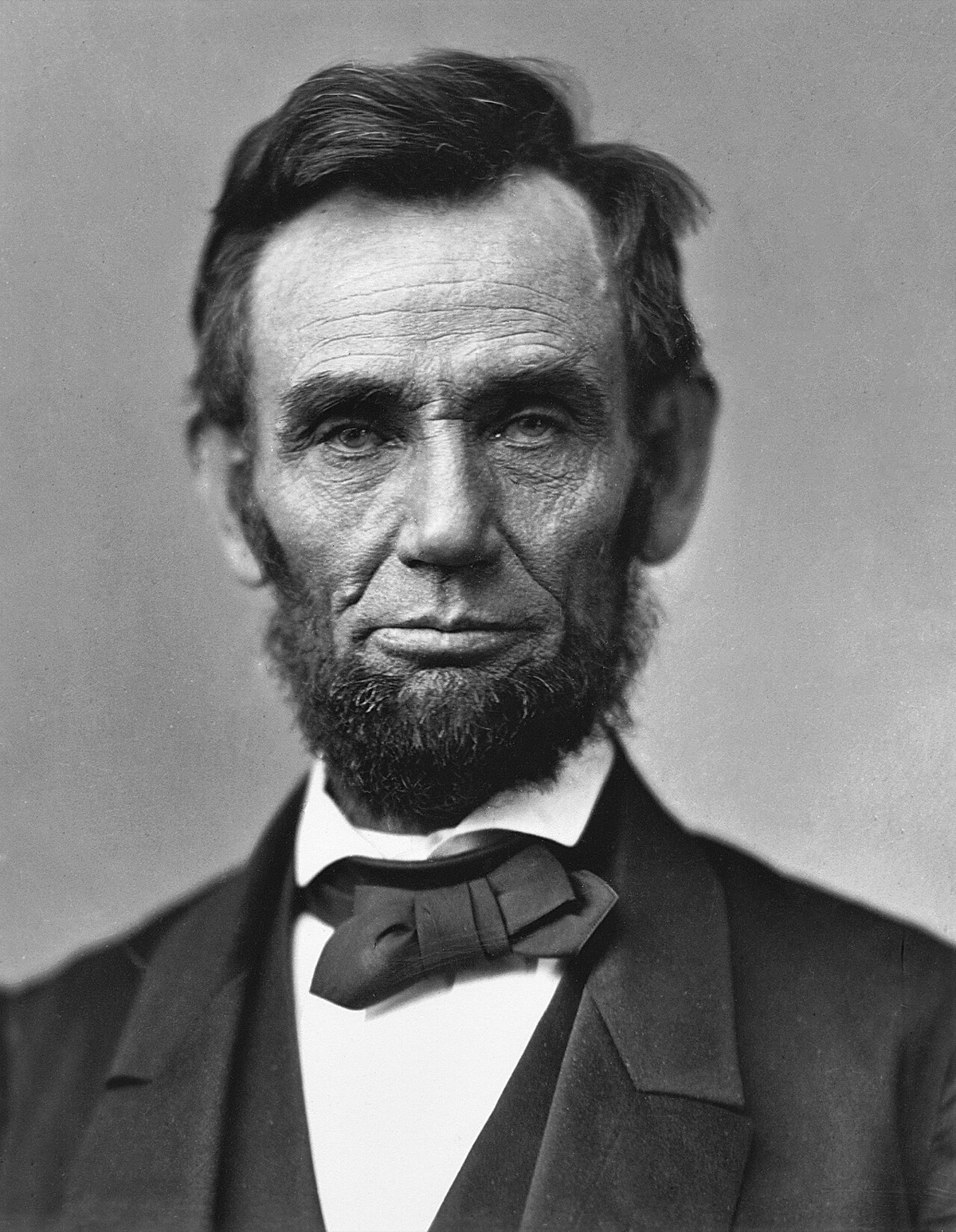
On 19 November 1863, crowds gathered at Gettysburg, Pennsylvania, to dedicate a cemetery for the soldiers killed there four months earlier. The battle had left tens of thousands dead, wounded or missing.
The featured speaker was Edward Everett, a former Secretary of State and one of the most celebrated orators in the country. He spoke for about two hours, retelling the battle in rich classical detail.
Lincoln had been invited almost as an afterthought, to offer "a few appropriate remarks". He stood and delivered around 270 words. It took roughly two minutes. Some in the crowd reportedly did not realise he had finished.
He did not mention a single general, battle tactic or state. Instead he reframed the war itself: a test of whether a nation "conceived in liberty" could endure, and a call for "a new birth of freedom".
The next day Everett wrote to him: "I should be glad if I could flatter myself that I came as near to the central idea of the occasion in two hours as you did in two minutes." Brevity, Lincoln proved, is not the absence of depth — it is the result of it.
Sources
- Abraham Lincoln, Gettysburg Address (19 November 1863)
- Edward Everett, letter to Lincoln (20 November 1863)
- Garry Wills, Lincoln at Gettysburg (1992)
“A house divided against itself cannot stand.”Abraham Lincoln
Read real Abraham Lincoln quotes, with sources →
One real quote from history, every morning.
Kleos sends you a verified quote, the story behind it and a wallpaper, every day. Free to start. Join the waitlist for 1 month of Premium free at launch.
Join the waitlistMore about Abraham Lincoln
More war stories


