Borrowed papers and a sailor's shirt
On 3 September 1838, an enslaved young man boarded a train in Baltimore. Less than a day later, he was free.

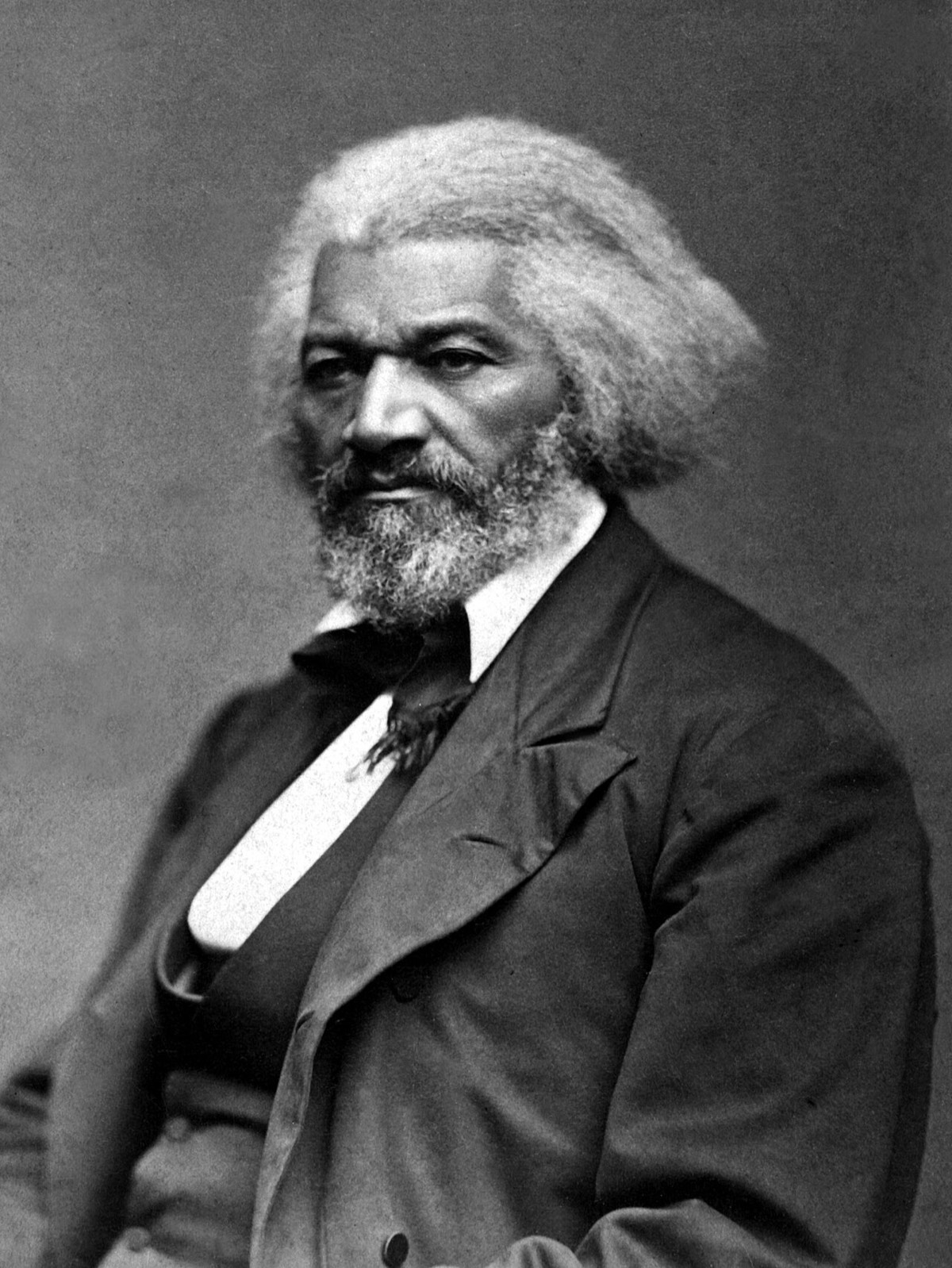
Frederick Douglass was born into slavery in Maryland around 1818. As a boy he secretly learned to read, trading bread with local children for lessons. Reading, he later wrote, was "the pathway from slavery to freedom".
In Baltimore he met Anna Murray, a free Black woman who would become his wife. She helped plan his escape, sewing him a sailor's outfit and giving him part of her savings for the fare.
He borrowed protection papers from a free Black seaman. They did not describe him closely, so everything depended on confidence. On the train a conductor checked them, and Douglass talked easily about ships and the sea.
Travelling by train and steamboat, he reached New York in less than 24 hours. Anna joined him, and they married within days. They settled in New Bedford, Massachusetts, where he changed his surname to Douglass.
Within a few years he was one of the most powerful speakers in America. His 1845 Narrative became a bestseller and a weapon against slavery. He had escaped with someone else's papers — and spent his life making sure his own words were heard.
Sources
- Frederick Douglass, Life and Times of Frederick Douglass (1881), ch. 1 of Part 2
- David Blight, Frederick Douglass: Prophet of Freedom (2018)
“If there is no struggle, there is no progress.”Frederick Douglass
Read real F. Douglass quotes, with sources →
One real quote from history, every morning.
Kleos sends you a verified quote, the story behind it and a wallpaper, every day. Free to start. Join the waitlist for 1 month of Premium free at launch.
Join the waitlistMore about F. Douglass
More legends stories


