Bread for lessons: how Frederick Douglass learned to read
When his enslaver banned his reading lessons, a boy in Baltimore found other teachers on the street.

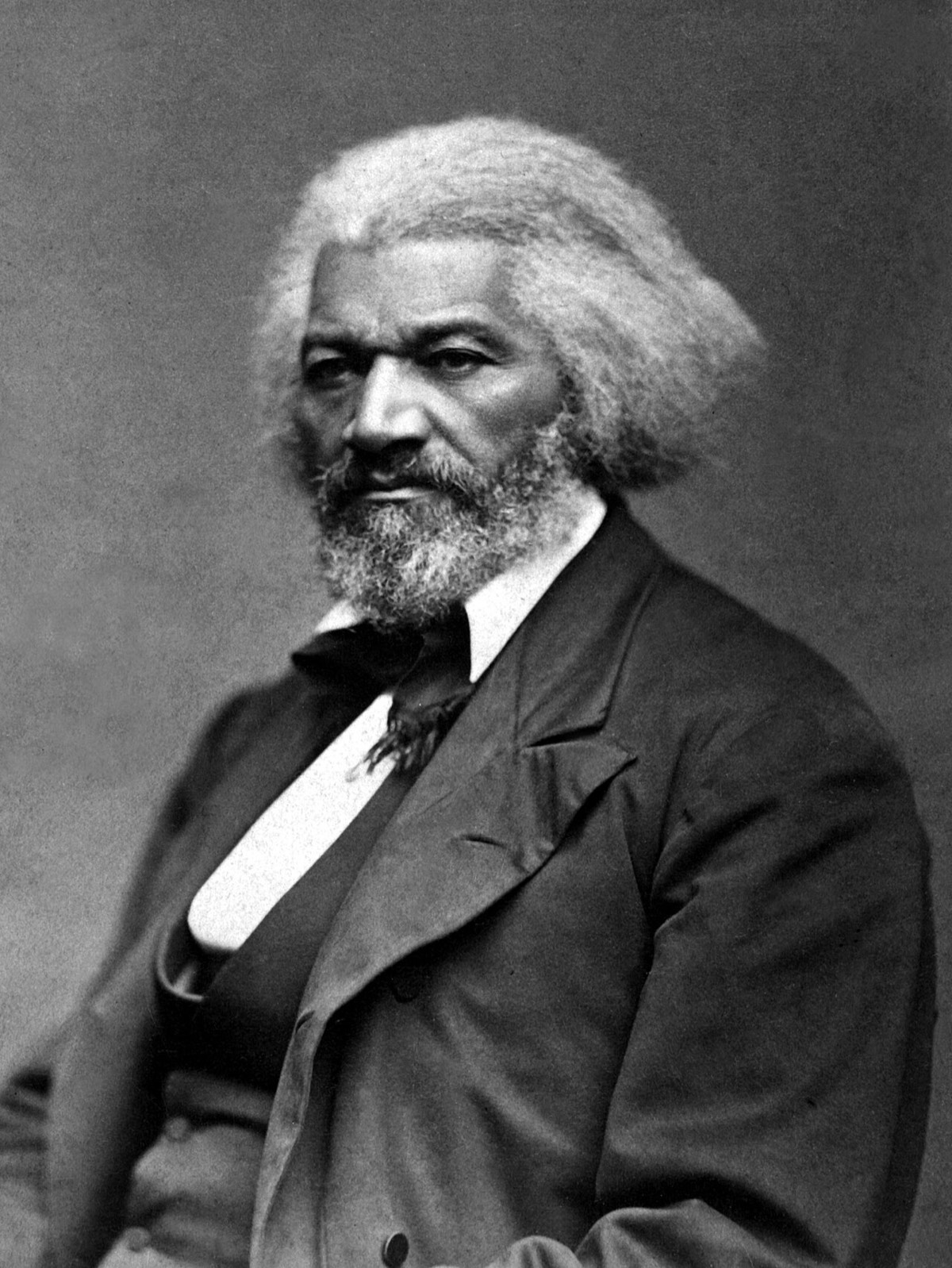
Around 1826, Frederick, about eight years old, was sent to Baltimore to live with Hugh and Sophia Auld. Sophia began teaching him the alphabet, until her husband stopped her. Teaching a slave to read, he said, would make him unfit to be a slave.
Douglass later wrote that this was the moment he understood the pathway from slavery to freedom. If reading was what his enslavers feared most, it was what he wanted most.
He made friends with poor white boys in the neighbourhood. He always carried a book, and bread, which he had plenty of while many of them went hungry. He traded the bread for lessons, and they taught him letters and words on the street.
With money he earned, he bought The Columbian Orator, a book of famous speeches, and read it over and over. Its arguments about freedom gave him words for what he felt. Years later Douglass became one of the greatest speakers of the nineteenth century.
Sources
- Frederick Douglass, Narrative of the Life of Frederick Douglass (1845), ch. 6–7
“If there is no struggle, there is no progress.”Frederick Douglass
Read real F. Douglass quotes, with sources →
One real quote from history, every morning.
Kleos sends you a verified quote, the story behind it and a wallpaper, every day. Free to start. Join the waitlist for 1 month of Premium free at launch.
Join the waitlistMore about F. Douglass
More legends stories


