Cannae: the battle generals still study
In 216 BC Hannibal let the Romans push through his centre, and then closed the trap behind them.

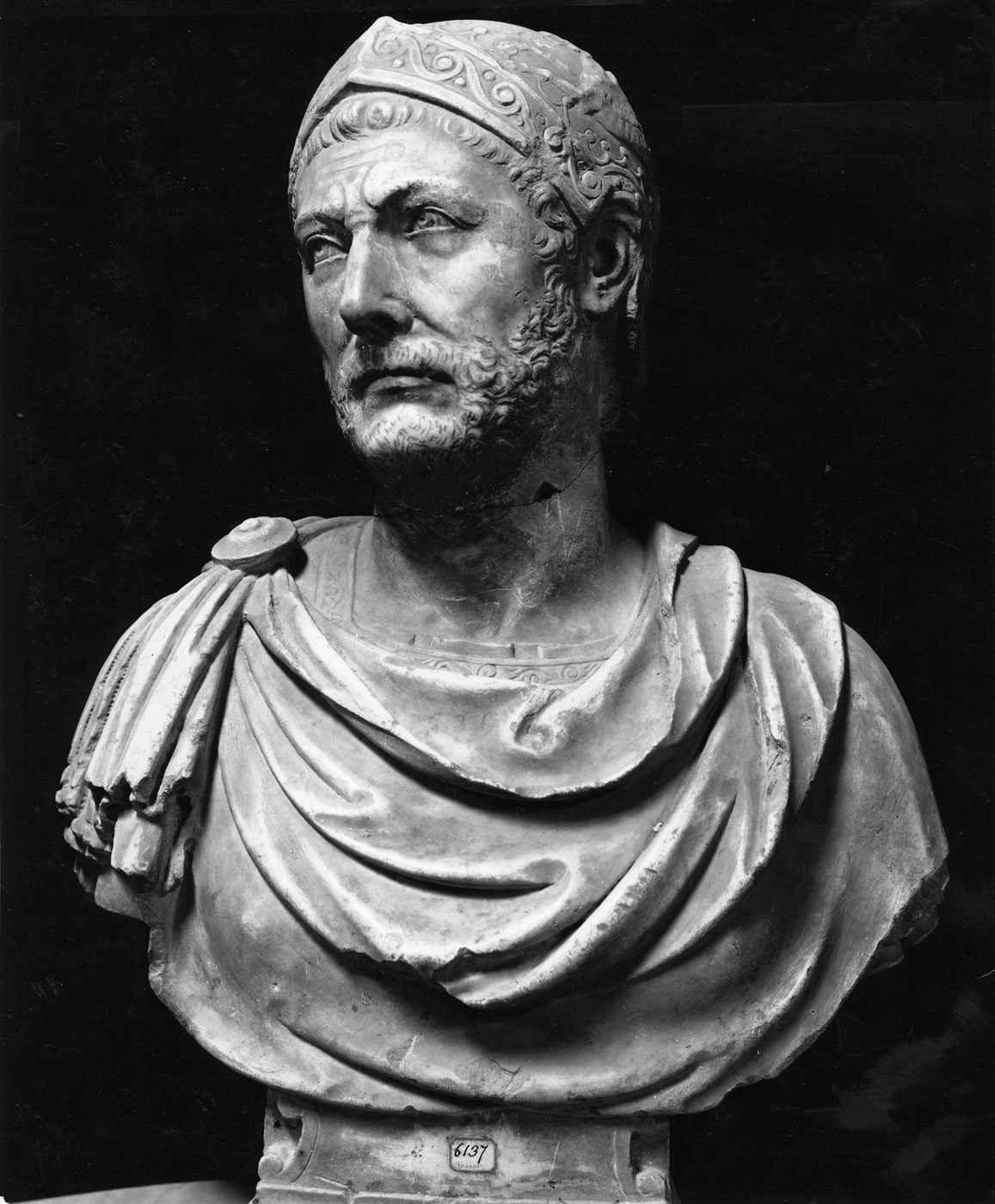
On 2 August 216 BC, near the village of Cannae in southern Italy, Rome sent one of the largest armies in its history against Hannibal: around 80,000 men. Hannibal had about 50,000, many of them mercenaries far from home.
He arranged his line in a curve bulging towards the enemy, with Gauls and Spaniards in the centre and his best African infantry held back on both wings. As the Romans attacked, the centre slowly gave ground, exactly as planned.
The Romans pressed into the gap, crowding tighter and tighter. Then the African infantry turned inwards from both sides, and Hannibal’s cavalry, having driven off the Roman horsemen, swept round and struck from behind. The Roman army was surrounded.
Ancient sources say tens of thousands of Romans died in a single afternoon, including a consul and around eighty senators. Cannae became the textbook example of encirclement, studied by generals two thousand years later. Yet Rome refused to surrender, and eventually won the war. A perfect battle, Hannibal learned, does not guarantee a won war.
Sources
- Polybius, Histories 3.107–117
- Livy, History of Rome 22.44–50
“God has given to man no sharper spur to victory than contempt of death.”Hannibal Barca
Read real Hannibal quotes, with sources →
One real quote from history, every morning.
Kleos sends you a verified quote, the story behind it and a wallpaper, every day. Free to start. Join the waitlist for 1 month of Premium free at launch.
Join the waitlist


