The die is cast: the night Caesar crossed the Rubicon
In January 49 BC, a general stood at a narrow river in northern Italy. The decision he made there ended the Roman Republic.

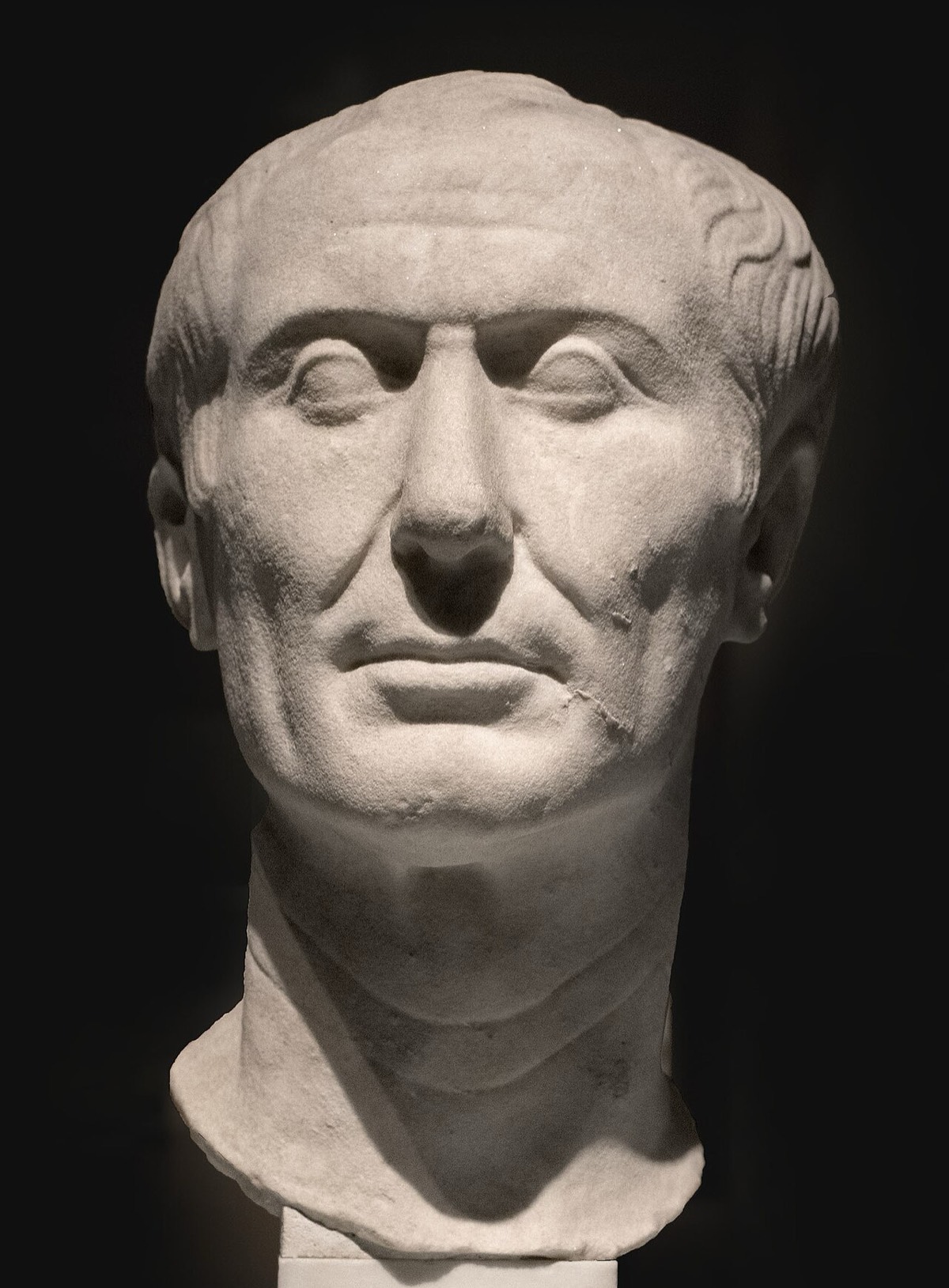
The Rubicon was not an impressive river. In winter it was little more than a shallow stream marking the boundary between Cisalpine Gaul, where Caesar held command, and Italy proper, where Roman law forbade any general to bring his army.
Caesar had spent nearly a decade conquering Gaul. He was rich, famous and adored by his soldiers — and his enemies in the Senate were determined to strip him of his command and put him on trial. To give up his army was to give up his protection. To keep it was treason.
According to the historian Suetonius, Caesar hesitated at the bank. Then, quoting the playwright Menander, he said the words that have outlived his empire: alea iacta est — "the die is cast." His single legion crossed into Italy.
The Senate panicked. Pompey, his great rival, abandoned Rome and fled to Greece. Within five years Caesar had defeated every army raised against him and was named dictator for life.
The phrase "crossing the Rubicon" now means passing a point of no return. Caesar understood something many of us forget: some decisions cannot be half-made. Once you step in the water, the only way out is forward.
Sources
- Suetonius, Life of Julius Caesar 31–33
- Plutarch, Life of Caesar 32
- Appian, The Civil Wars 2.35
“I came, I saw, I conquered.”Gaius Julius Caesar
Read real Julius Caesar quotes, with sources →
One real quote from history, every morning.
Kleos sends you a verified quote, the story behind it and a wallpaper, every day. Free to start. Join the waitlist for 1 month of Premium free at launch.
Join the waitlist