The philosopher who taught Nero
Seneca spent years trying to guide a young emperor towards virtue. It ended with an order to take his own life.

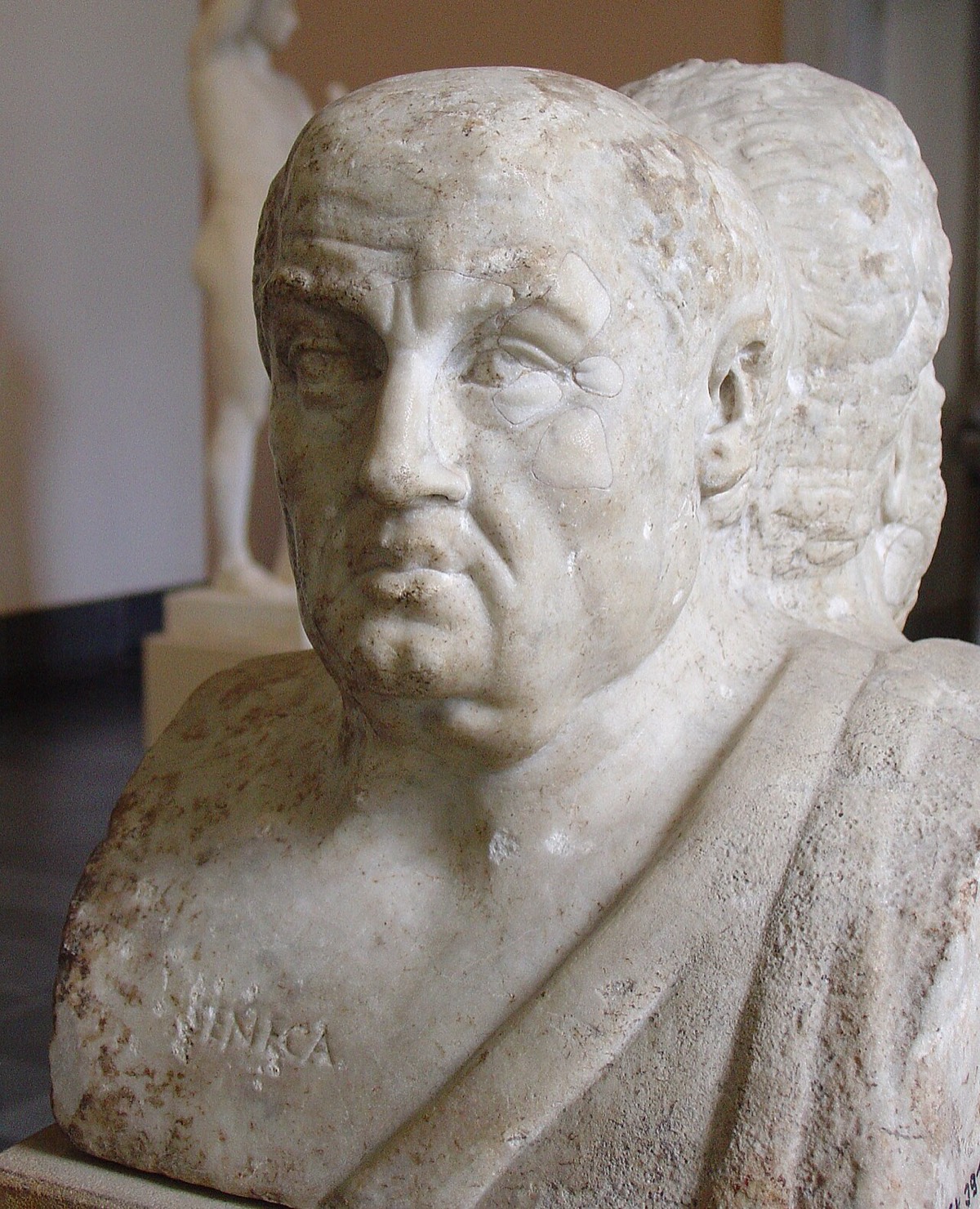
In 49 AD, the empress Agrippina recalled Seneca from exile to tutor her twelve-year-old son, Nero. When Nero became emperor in 54, Seneca and the army commander Burrus effectively ran the empire for him. Those first years were remembered as some of the best government Rome had seen.
Seneca even wrote a treatise for the young emperor, On Mercy, urging him to rule with restraint. But Nero grew more violent. In 59 he had his own mother murdered, and Seneca was drawn into covering it up.
Seneca asked to retire and offered to give his enormous fortune to the emperor. Nero refused, but Seneca withdrew from court anyway and wrote some of his greatest works, including the Letters to Lucilius.
In 65 AD, after a failed plot against Nero, the emperor ordered Seneca to die. According to Tacitus, he told his weeping friends that since he could not leave them gifts, he would leave them the only thing he had left, and the finest: the pattern of his life. Then he opened his veins and died calmly, as he had written.
Sources
- Tacitus, Annals 13–15 (esp. 15.60–64)
- Seneca, On Mercy
- Cassius Dio, Roman History 61–62
“We suffer more often in imagination than in reality.”Lucius Annaeus Seneca
Read real Seneca quotes, with sources →
One real quote from history, every morning.
Kleos sends you a verified quote, the story behind it and a wallpaper, every day. Free to start. Join the waitlist for 1 month of Premium free at launch.
Join the waitlist