The emperor who sold the palace treasures
With plague spreading and war on the frontier, Marcus Aurelius refused to raise taxes. He held an auction instead.

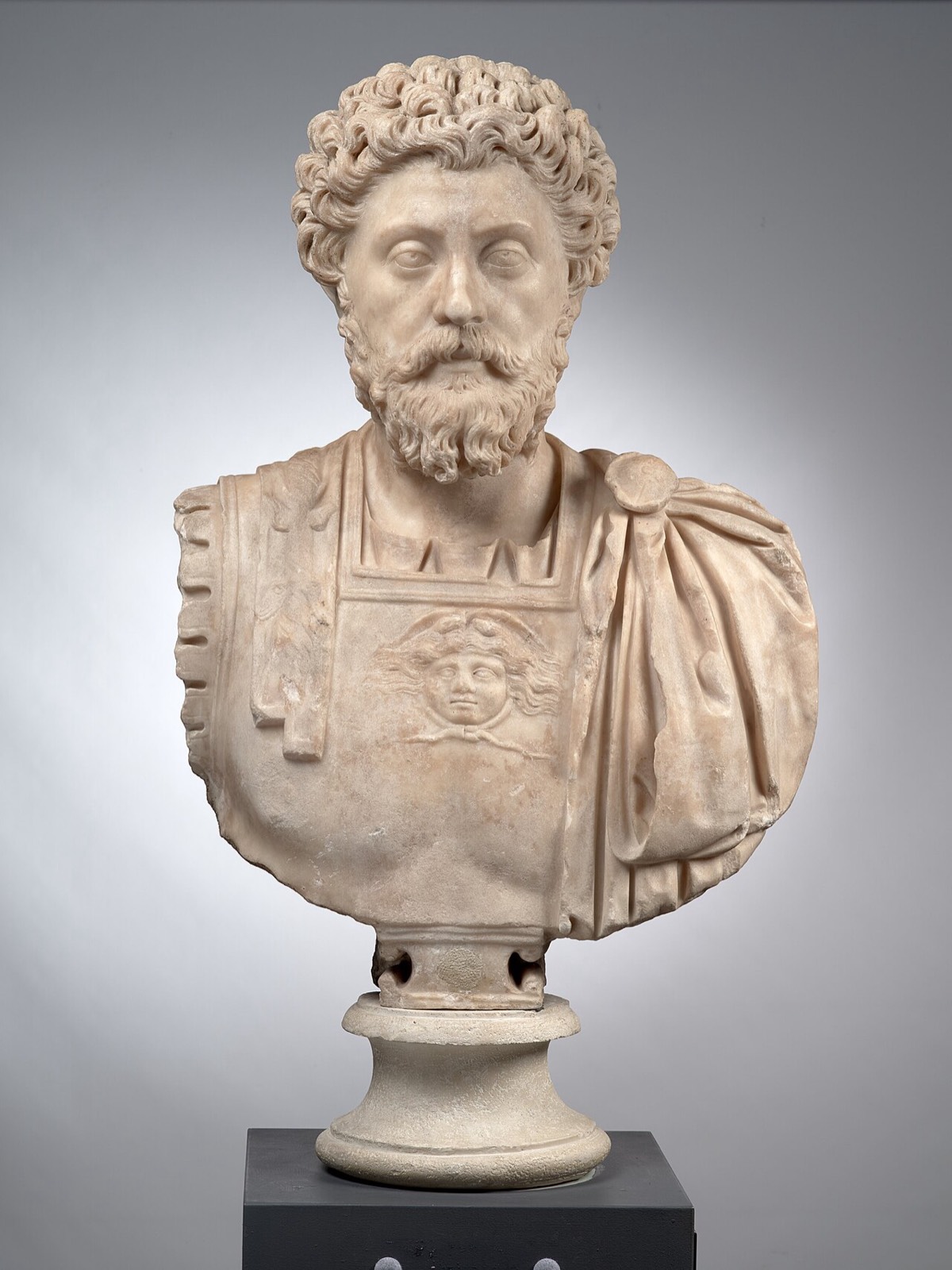
In 165 AD, Roman troops returning from a campaign in the east brought back a disease. The Antonine Plague, probably smallpox, swept through the empire for more than two decades. Historians estimate it killed millions; at its worst, Rome reportedly lost around two thousand people a day.
At the same time, Germanic tribes broke across the Danube. Marcus needed money for an army just as plague was emptying farms and towns. The obvious answer was a new tax on provinces that were already burying their dead.
Instead, according to the ancient biography in the Historia Augusta, he held a two-month public auction in the Forum of Trajan. He sold imperial gold cups, crystal goblets, silk robes embroidered with gold, statues and paintings, and even some of his wife’s jewellery. Buyers who regretted their purchase were later allowed to return items for a refund.
He then spent most of the next decade in military camps on the Danube, where he wrote much of the Meditations. “Do not be ashamed to be helped,” he reminded himself. He died on campaign in 180, possibly of the same plague.
Sources
- Historia Augusta, Life of Marcus Aurelius 17, 21
- Cassius Dio, Roman History 72
- Kyle Harper, The Fate of Rome (2017)
“The impediment to action advances action. What stands in the way becomes the way.”Marcus Aurelius
Read real Marcus Aurelius quotes, with sources →
One real quote from history, every morning.
Kleos sends you a verified quote, the story behind it and a wallpaper, every day. Free to start. Join the waitlist for 1 month of Premium free at launch.
Join the waitlistMore about Marcus Aurelius
More empires stories


