"Here I am": Napoleon's impossible return from exile
In 1815 a defeated emperor escaped his island prison with a thousand men. Twenty days later he was in Paris.

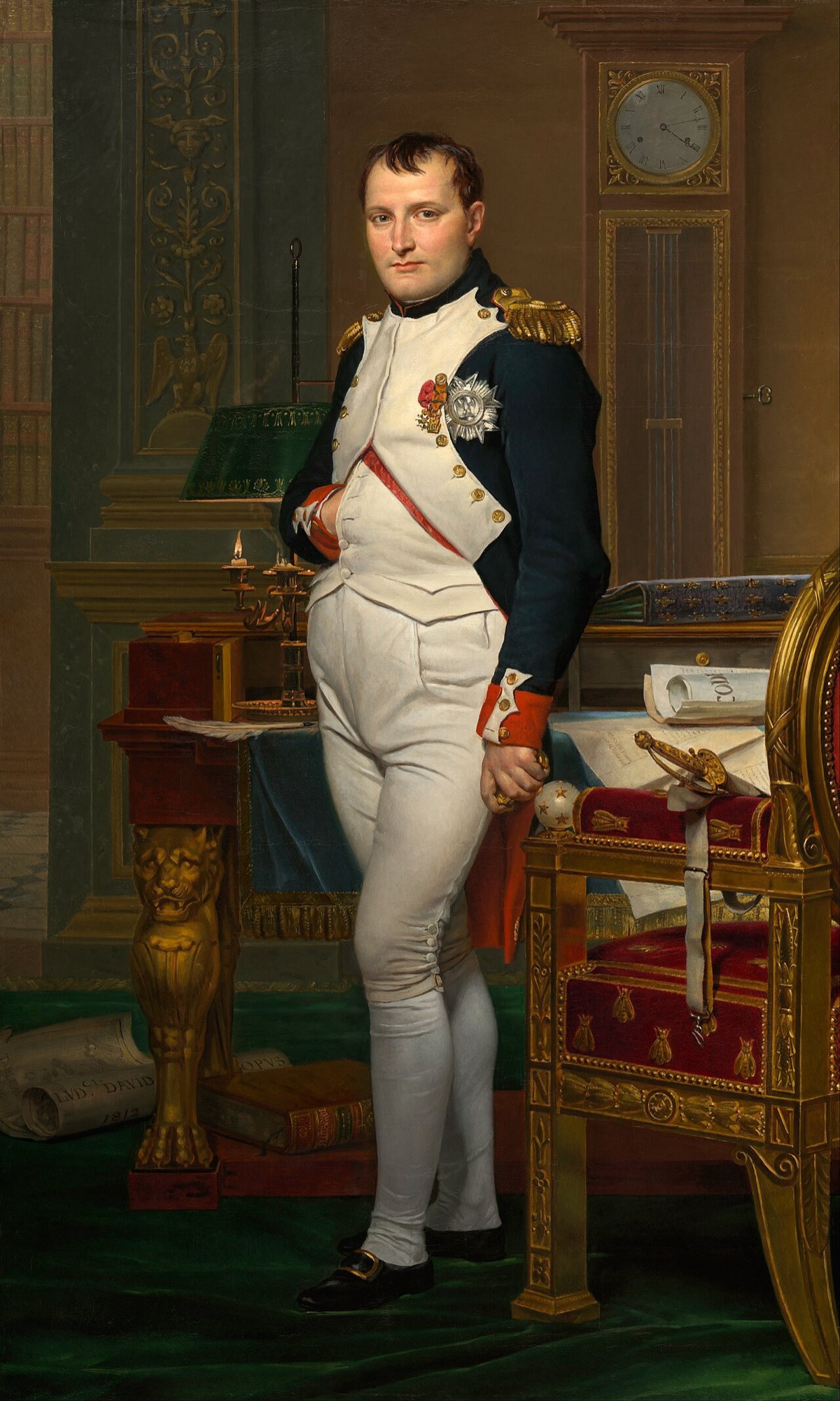
After his defeat in 1814, Napoleon was exiled to Elba, a small island off the coast of Italy. He was allowed to keep the title of emperor — of a territory about the size of a large town.
Ten months later, on 26 February 1815, he slipped away with roughly a thousand soldiers and landed on the southern coast of France. The royal government sent troops to stop him.
Near Grenoble, at a place called Laffrey, the 5th Line Infantry Regiment blocked the road. Napoleon walked forward alone, opened his grey coat, and called out to the soldiers: if any of them wished to kill his emperor, here he was.
Nobody fired. The soldiers broke ranks, shouting "Vive l'Empereur!" and joined him. Regiment after regiment did the same. On 20 March, Napoleon entered Paris without a battle; the king had already fled.
His return lasted about a hundred days and ended at Waterloo. But the march from the coast remains one of history's great demonstrations of nerve — proof that sometimes the most powerful move is to walk straight toward what you fear.
Sources
- Napoleon’s proclamations of March 1815
- Philip Dwyer, Napoleon: Passion, Death and Resurrection (2018)
““It is not possible,” you write to me. That is not French.”Napoleon Bonaparte
Read real Napoleon quotes, with sources →
One real quote from history, every morning.
Kleos sends you a verified quote, the story behind it and a wallpaper, every day. Free to start. Join the waitlist for 1 month of Premium free at launch.
Join the waitlistMore about Napoleon
More empires stories


