The march to the sea for a handful of salt
In 1930, Gandhi chose the most ordinary substance in India to challenge the British Empire.

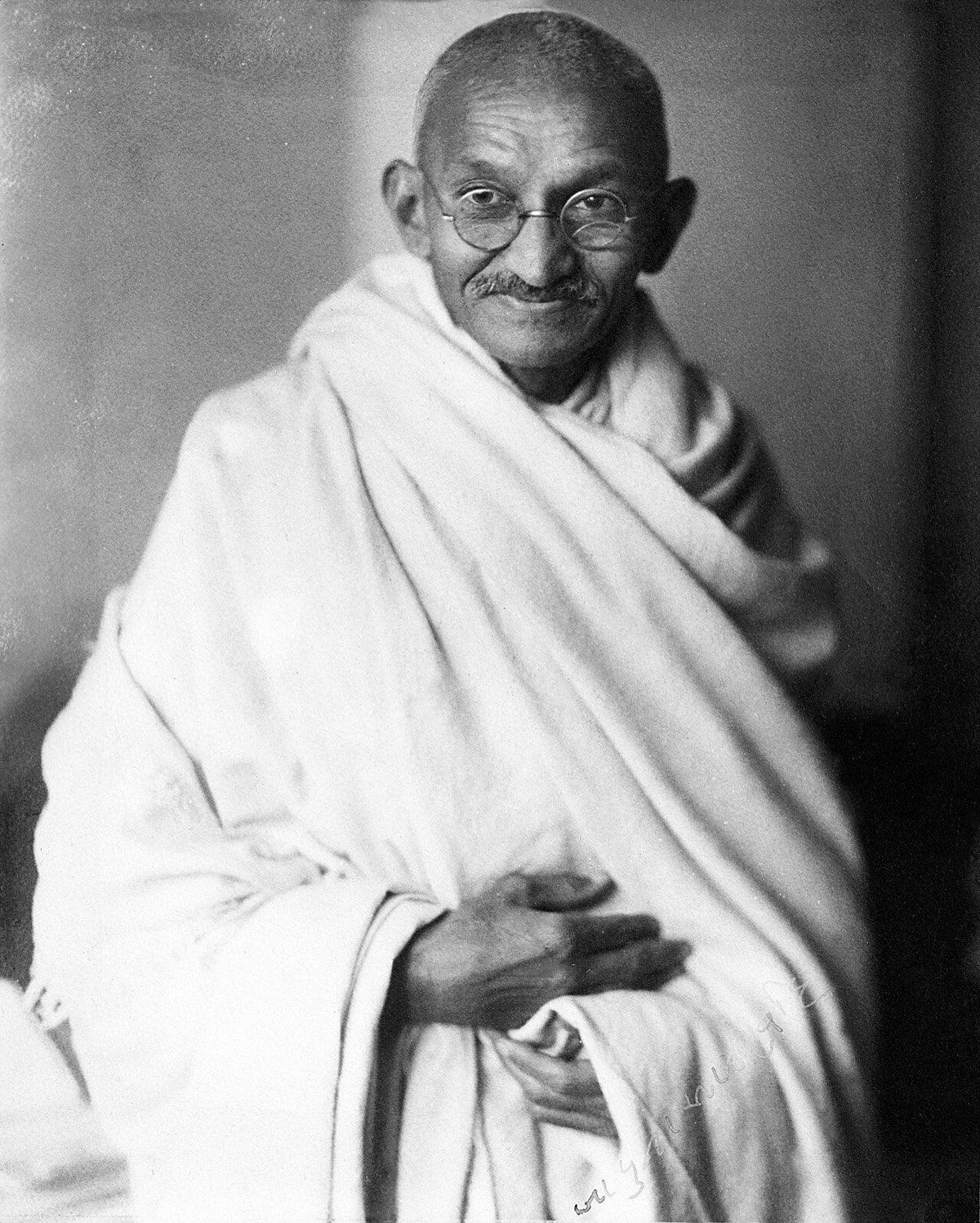
Under British rule, Indians were forbidden to collect or sell their own salt and had to buy it with a tax included. Salt was something every person, rich or poor, needed every day.
On 12 March 1930, Gandhi, then 60, set out from his ashram near Ahmedabad with 78 followers to walk to the coastal village of Dandi, about 240 miles away. Along the route crowds gathered and thousands joined. Reporters from around the world followed.
On 6 April, after 24 days, he reached the sea, bent down and picked up a lump of natural salt from the mud. It was a tiny act, and a deliberate breaking of the law. Across India, millions began making and selling salt illegally.
More than 60,000 people were arrested, including Gandhi. At the Dharasana salt works, peaceful marchers walked forward to be beaten by police, line after line, without raising their hands. The world watched. Independence was still 17 years away, but the march showed that nonviolence could move an empire.
Sources
- M. K. Gandhi, Young India (1930)
- Webb Miller, United Press report from Dharasana (May 1930)
- Judith M. Brown, Gandhi: Prisoner of Hope (1989)
“If we could change ourselves, the tendencies in the world would also change.”Mahatma Gandhi
Read real Gandhi quotes, with sources →
One real quote from history, every morning.
Kleos sends you a verified quote, the story behind it and a wallpaper, every day. Free to start. Join the waitlist for 1 month of Premium free at launch.
Join the waitlistMore about Gandhi
More legends stories


