Wanted, dead or alive: Churchill’s escape
In 1899 a 25-year-old war correspondent climbed a prison wall in Pretoria and travelled 300 miles to freedom.

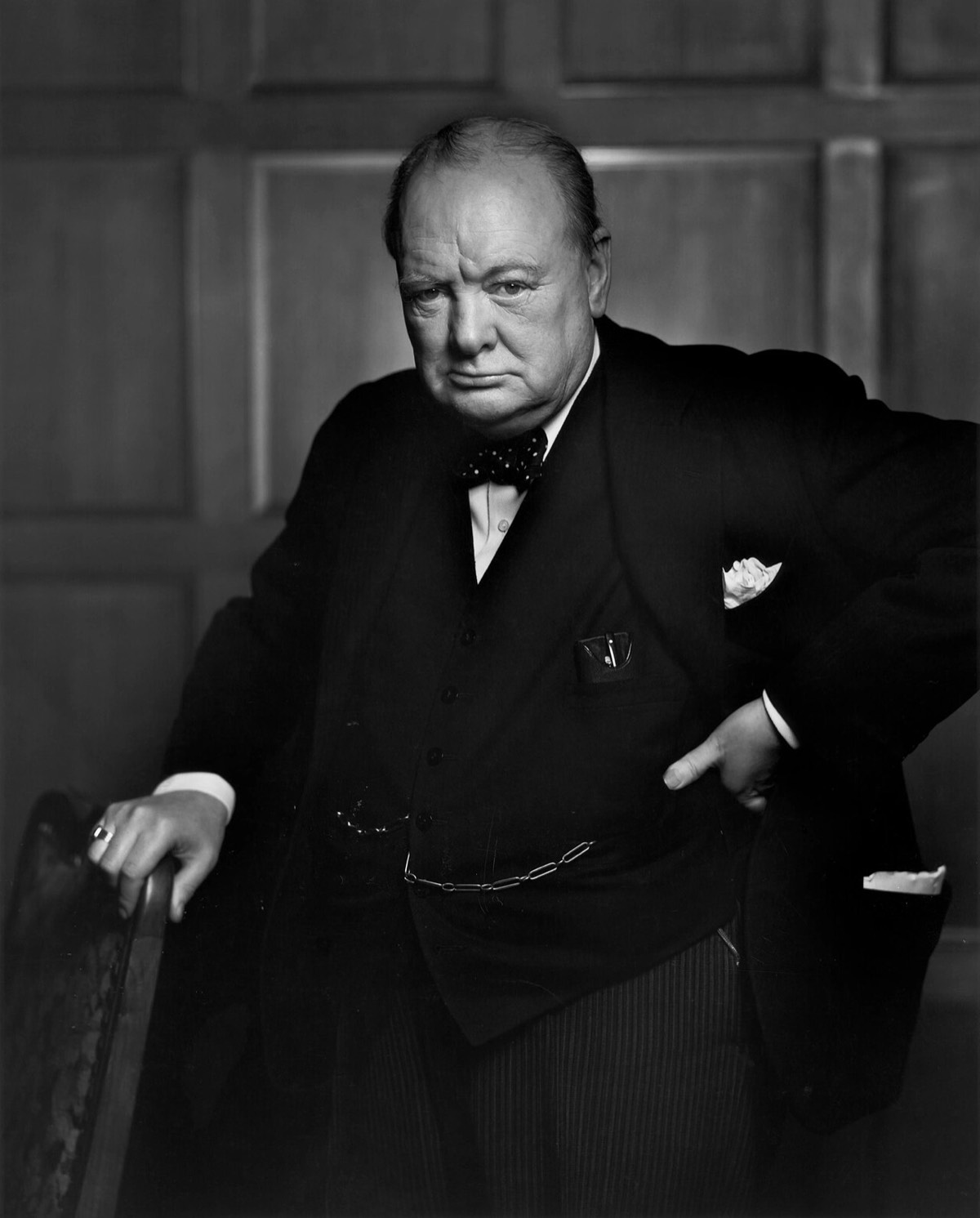
In November 1899, during the Boer War, Winston Churchill was reporting for the Morning Post when the armoured train he was riding was ambushed. He helped free the engine under fire, then was captured and taken to a prisoner-of-war camp in Pretoria.
On the night of 12 December he climbed over the camp wall while the guards’ backs were turned. His two fellow conspirators couldn’t follow. Churchill was alone in enemy territory, with no map and no compass, about 300 miles from the nearest neutral border.
The Boers put up posters offering £25 for him, dead or alive. He jumped onto a goods train, then knocked on the door of a mine manager, John Howard, one of the few British men in the area. Howard hid him down a coal mine with the rats, and later smuggled him out under bales of wool on a train to Portuguese East Africa.
When Churchill reached Durban he was greeted as a hero. The escape made him famous across Britain, and within a year he was elected to Parliament. The man who refused to surrender in 1940 had already learned that a hopeless situation is not the same as a lost one.
Sources
- Winston Churchill, London to Ladysmith via Pretoria (1900)
- Winston Churchill, My Early Life (1930)
- Candice Millard, Hero of the Empire (2016)
“I have nothing to offer but blood, toil, tears and sweat.”Winston Churchill
Read real Churchill quotes, with sources →
One real quote from history, every morning.
Kleos sends you a verified quote, the story behind it and a wallpaper, every day. Free to start. Join the waitlist for 1 month of Premium free at launch.
Join the waitlist


