The general who took 160 scholars to war
Napoleon’s Egyptian campaign was a military failure. Its scientists changed history anyway.

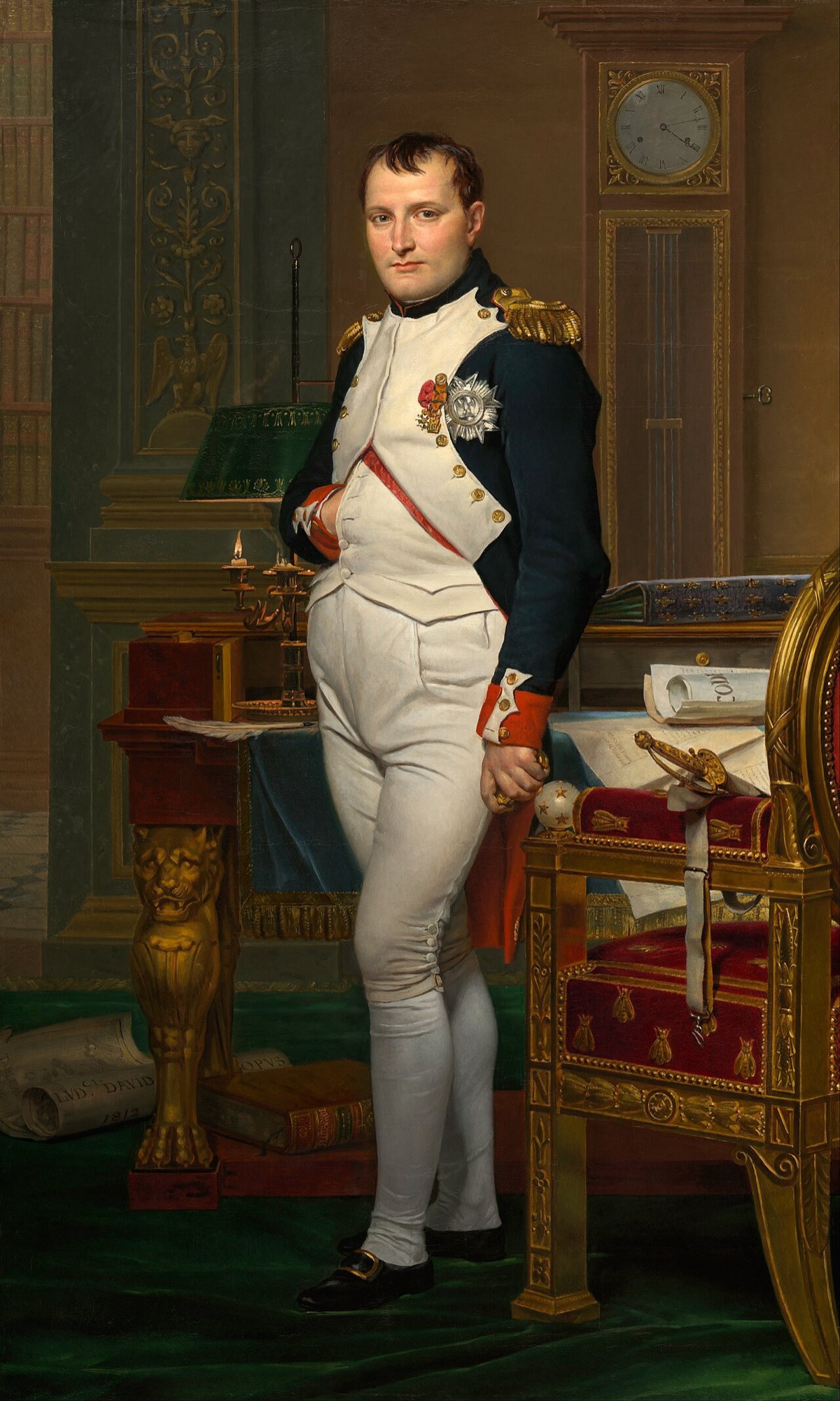
When Napoleon sailed for Egypt in 1798, his fleet carried more than soldiers. On board were about 160 scholars: mathematicians, chemists, engineers, artists and naturalists. The troops nicknamed them “the donkeys”.
The military side went badly. Within weeks Nelson destroyed the French fleet at the Battle of the Nile, trapping the army in Egypt. Napoleon slipped back to France in 1799, leaving his men behind. They surrendered to the British two years later.
But in July 1799, soldiers rebuilding a fort near the town of Rashid, which the French called Rosetta, dug up a dark slab covered in three scripts: hieroglyphs, Demotic and ancient Greek. The scholars understood at once what it might be: a key to a language no one had read for over a thousand years.
The British took the stone as a prize of war, and it is still in the British Museum. But French copies of the inscription travelled home, and in 1822 Jean-François Champollion used them to crack hieroglyphs. The scholars’ survey, the Description de l’Égypte, filled more than twenty volumes and launched modern Egyptology. Napoleon lost the campaign and won the knowledge.
Sources
- Description de l’Égypte (1809–1829)
- British Museum, The Rosetta Stone
- Jean-François Champollion, Lettre à M. Dacier (1822)
““It is not possible,” you write to me. That is not French.”Napoleon Bonaparte
Read real Napoleon quotes, with sources →
One real quote from history, every morning.
Kleos sends you a verified quote, the story behind it and a wallpaper, every day. Free to start. Join the waitlist for 1 month of Premium free at launch.
Join the waitlistMore about Napoleon
More science stories


