A kite, a key and a thunderstorm
In 1752 Benjamin Franklin flew a kite into a storm to prove that lightning was electricity. He was lucky to survive.

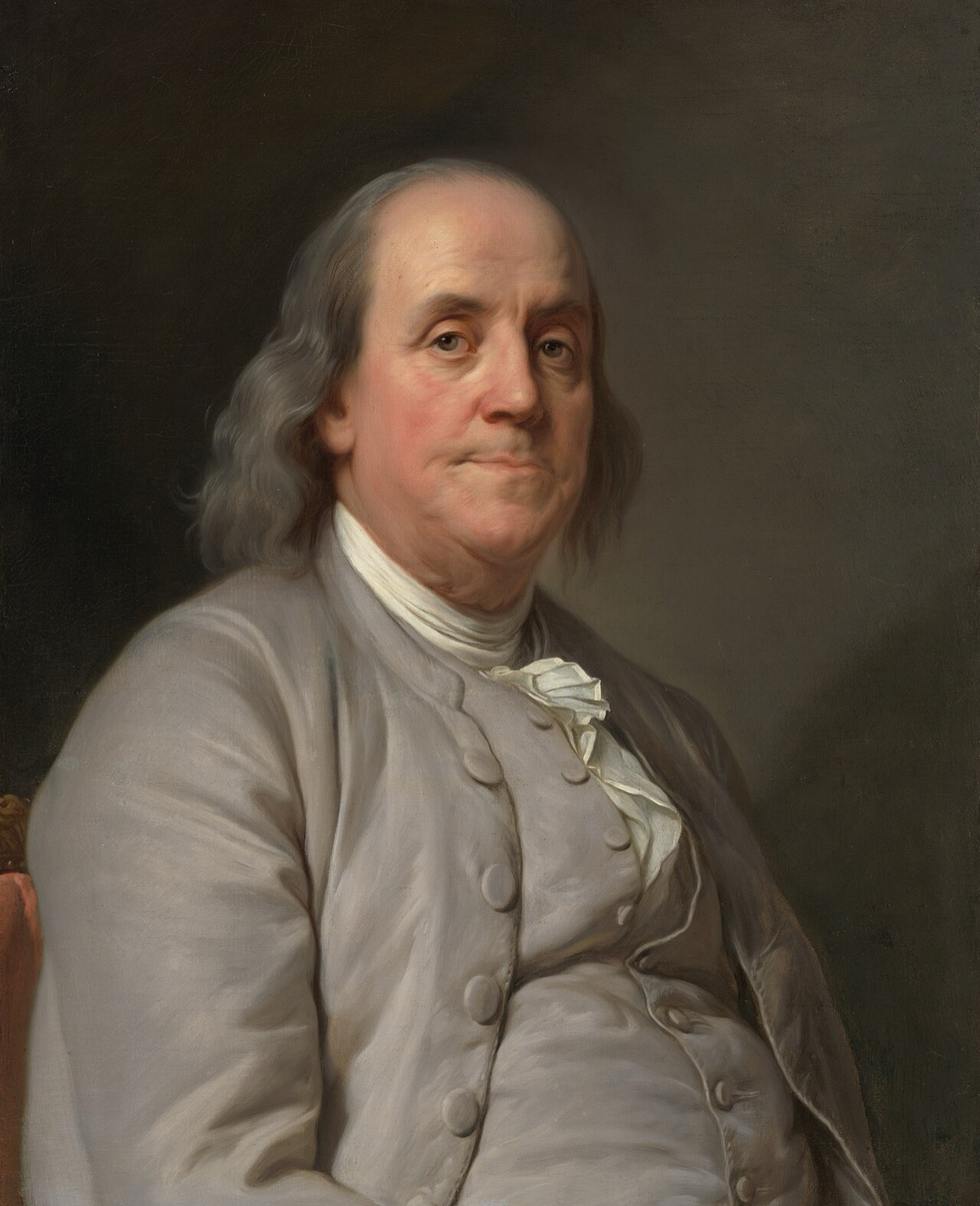
By the 1740s, scientists could create sparks and store electric charge in Leyden jars, but nobody knew whether lightning was the same thing. Franklin suspected it was, and proposed experiments with tall iron rods to draw electricity down from storm clouds.
In June 1752, according to accounts by Franklin and his friend Joseph Priestley, he decided not to wait for a tall church spire to be finished. He made a kite from a silk handkerchief, tied a metal key near the end of the string, and flew it in a thunderstorm in Philadelphia, with his son William helping.
He stood in a shed to keep the silk ribbon in his hand dry. When the loose threads of the string stood on end, he touched his knuckle to the key and felt a spark. He charged a Leyden jar from it. Lightning was electricity.
The kite was probably never struck directly; if it had been, he could have died, as a scientist in Russia did the following year. Franklin used the knowledge at once: he invented the lightning rod and chose not to patent it, so anyone could use it. Buildings around the world are still protected by his idea.
Sources
- Benjamin Franklin, letter to Peter Collinson, Pennsylvania Gazette (19 October 1752)
- Joseph Priestley, The History and Present State of Electricity (1767)
“Little strokes fell great oaks.”Benjamin Franklin
Read real Ben Franklin quotes, with sources →
One real quote from history, every morning.
Kleos sends you a verified quote, the story behind it and a wallpaper, every day. Free to start. Join the waitlist for 1 month of Premium free at launch.
Join the waitlistMore about Ben Franklin
More science stories


