The notebooks that are still radioactive
More than a century later, Marie Curie's papers are kept in lead-lined boxes — and readers must sign a waiver to open them.

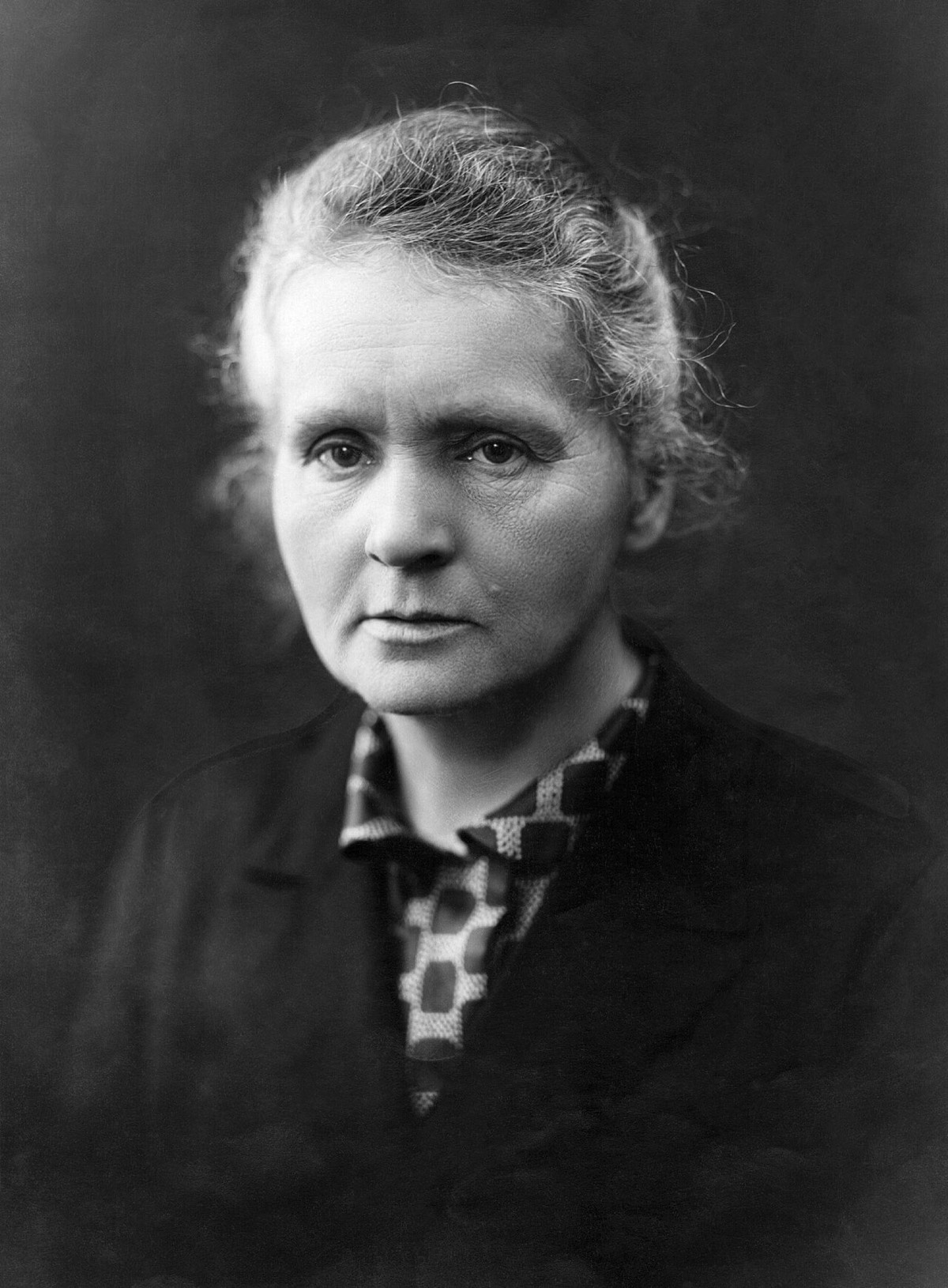
In a shed-like laboratory in Paris, Marie and Pierre Curie spent years boiling down tonnes of pitchblende ore to isolate a few specks of something new. In 1898 they announced two new elements: polonium, named after Marie's homeland, and radium.
Nobody yet understood what radiation did to the human body. Marie carried test tubes of radium in her pockets and kept samples in her desk drawer, admiring their faint blue-green glow in the dark.
She won the Nobel Prize in Physics in 1903, shared with Pierre and Henri Becquerel, and the Nobel Prize in Chemistry alone in 1911. During the First World War she drove mobile X-ray units to the front, helping surgeons find bullets and shrapnel.
She died in 1934 of aplastic anaemia, almost certainly caused by decades of exposure. Her notebooks, furniture and even cookbooks were so contaminated that they remain radioactive today. Radium-226 has a half-life of about 1,600 years.
Her papers are held at the Bibliothèque nationale de France in lead-lined boxes. Visitors who want to read them sign a liability waiver and wear protective clothing. The work that cost her life is still, quite literally, giving off energy.
Sources
- Eve Curie, Madame Curie (1937)
- Bibliothèque nationale de France, Curie papers
- Nobel Prize records, 1903 and 1911
“Life is not easy for any of us. But what of that? We must have perseverance and above all confidence in ourselves.”Marie Skłodowska Curie
Read real Marie Curie quotes, with sources →
One real quote from history, every morning.
Kleos sends you a verified quote, the story behind it and a wallpaper, every day. Free to start. Join the waitlist for 1 month of Premium free at launch.
Join the waitlistMore about Marie Curie
More science stories


