The first computer program was written in 1843
A machine that was never built, and a set of notes three times longer than the article they accompanied.

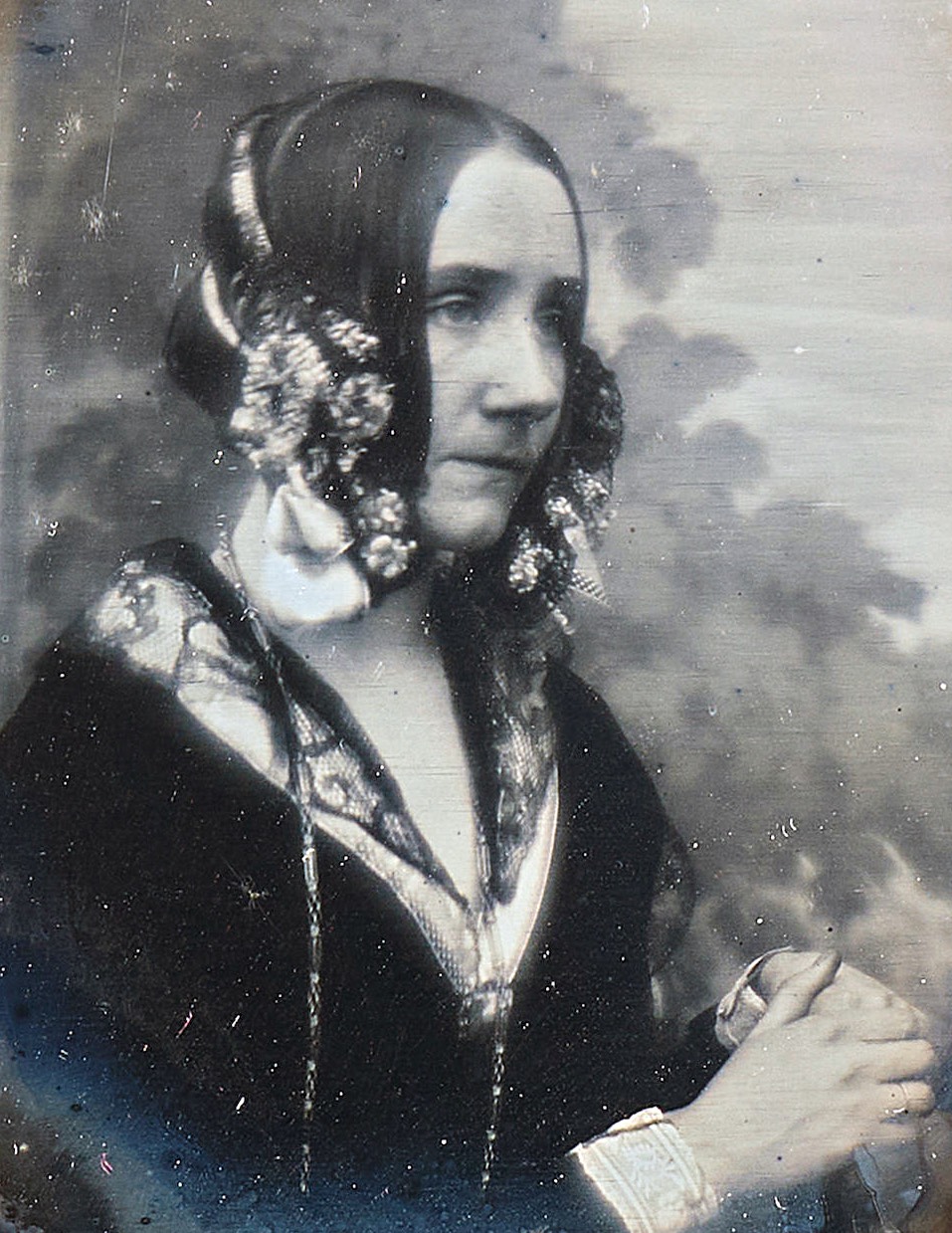
Ada Lovelace was the daughter of the poet Lord Byron, though she never knew him. Her mother, determined that she would not inherit his "poetic" temperament, had her schooled intensively in mathematics.
As a young woman she met Charles Babbage, who was designing the Analytical Engine — a mechanical, general-purpose calculating machine with a memory and a processing unit, a century before electronic computers.
In 1843 she translated an Italian engineer's article about the Engine and added her own notes, labelled A to G. They ended up roughly three times longer than the original article.
Note G set out, step by step, how the Engine could calculate a sequence called the Bernoulli numbers. It is widely regarded as the first published algorithm intended for a machine. She also suggested the Engine might one day compose music — seeing that numbers could stand for anything.
The Engine was never completed, and Ada died in 1852, aged 36. More than a century later, a programming language was named Ada in her honour. She saw what computers could become before the first one existed.
Sources
- Ada Lovelace, Notes on L. F. Menabrea’s Sketch of the Analytical Engine (1843), Note G
- Charles Babbage, Passages from the Life of a Philosopher (1864)
“The Analytical Engine weaves algebraical patterns just as the Jacquard-loom weaves flowers and leaves.”Ada Lovelace
Read real Ada Lovelace quotes, with sources →
One real quote from history, every morning.
Kleos sends you a verified quote, the story behind it and a wallpaper, every day. Free to start. Join the waitlist for 1 month of Premium free at launch.
Join the waitlistMore about Ada Lovelace
More science stories


