The patent clerk who changed physics in one year
Turned down by universities, Einstein took a job in a Swiss patent office. In 1905 he published four papers that rewrote science.

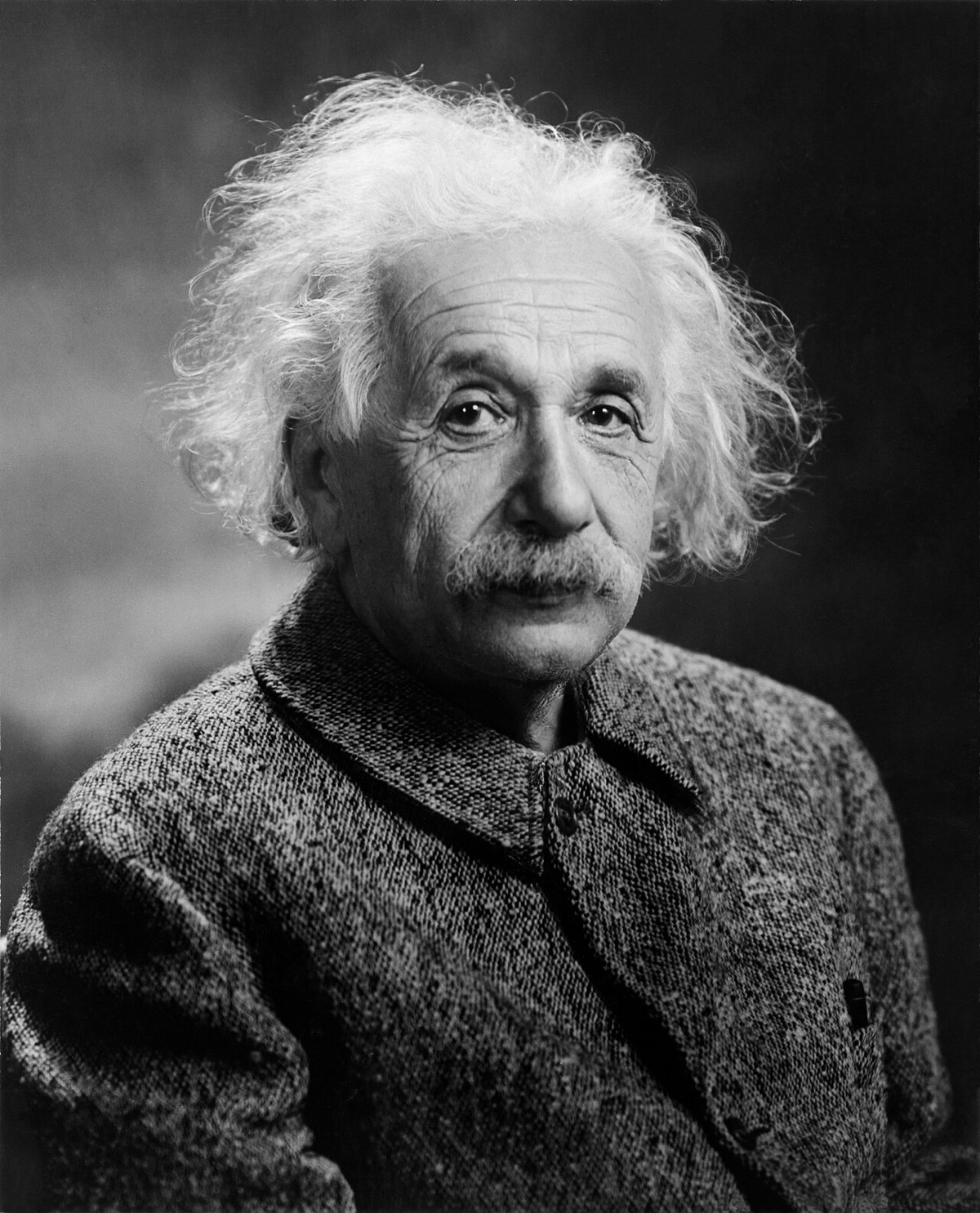
After graduating in 1900, Albert Einstein applied for academic jobs across Europe and was turned down everywhere. In 1902 a friend’s father helped him get a post as a technical expert, third class, at the Federal Patent Office in Bern.
The work suited him. He examined inventions, many of them electrical devices, and later said judging patents trained him to think precisely. He often finished the day’s work quickly and used the rest of his time for physics. He called the office his “worldly cloister”.
In 1905, aged 26, he published four papers. One explained the photoelectric effect using particles of light. One provided evidence that atoms exist, through Brownian motion. One introduced special relativity. A short follow-up contained the most famous equation in history: E = mc².
He did all this without a lab or a professorship, while working six days a week. It was the photoelectric paper, not relativity, that won him the 1921 Nobel Prize. He didn’t leave the patent office until 1909.
Sources
- Albert Einstein, papers in Annalen der Physik (1905)
- Albert Einstein, Autobiographical Notes (1949)
- Walter Isaacson, Einstein: His Life and Universe (2007)
“Imagination is more important than knowledge.”Albert Einstein
Read real Einstein quotes, with sources →
One real quote from history, every morning.
Kleos sends you a verified quote, the story behind it and a wallpaper, every day. Free to start. Join the waitlist for 1 month of Premium free at launch.
Join the waitlistMore about Einstein
More science stories


