What Newton did during the plague
When Cambridge closed in 1665, a 22-year-old student went home to the farm. He came back having laid the foundations of modern physics.

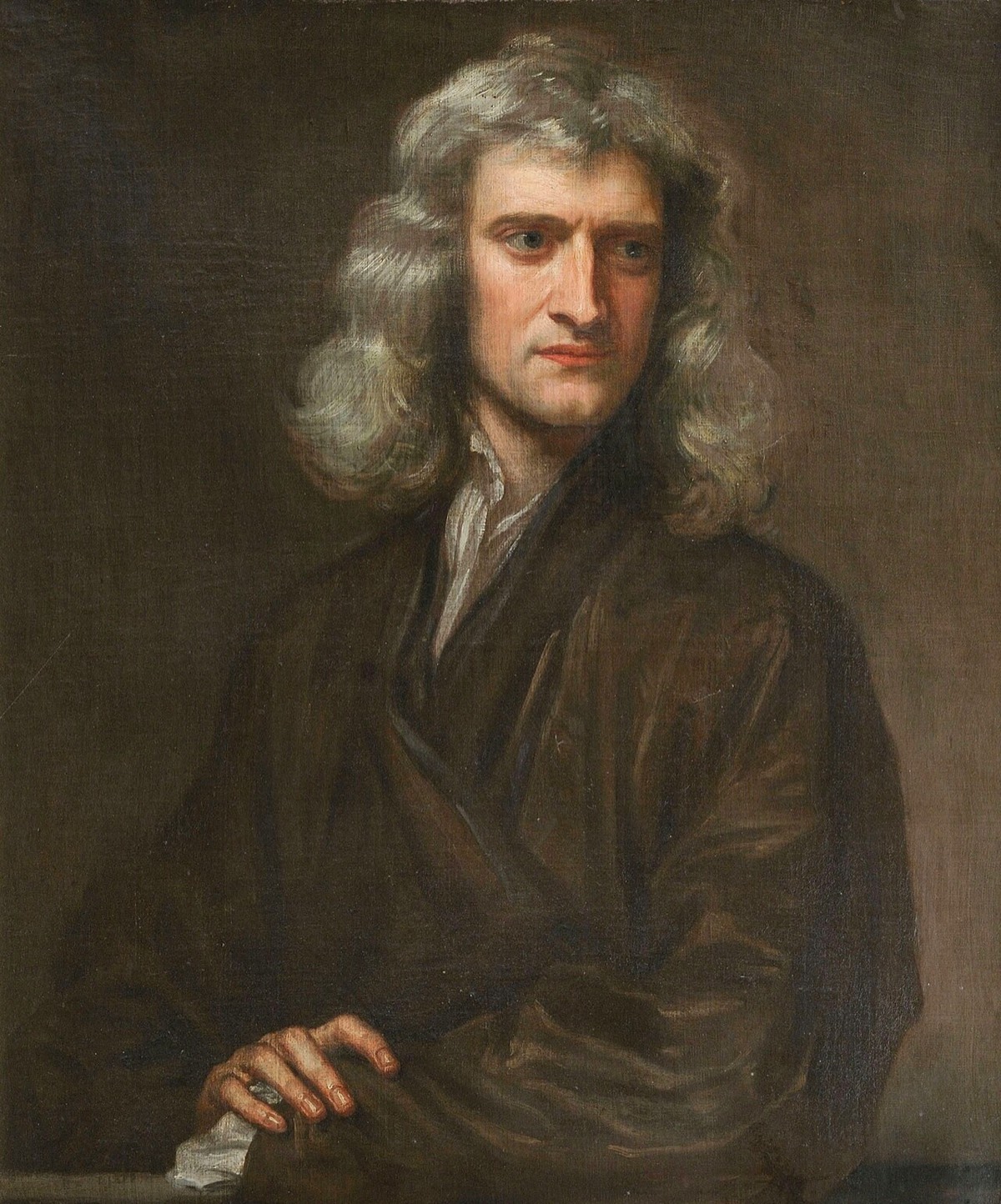
In the summer of 1665, the Great Plague struck London. Cambridge University closed and sent its students home. Isaac Newton, 22 and just graduated, returned to his family’s farmhouse at Woolsthorpe in Lincolnshire.
With no teachers and no lectures, he worked alone for about eighteen months. In that time he developed the foundations of calculus, used a prism to show that white light is made of all the colours, and began thinking about gravity.
Newton later told the story of watching an apple fall in the garden and wondering whether the same force that pulled it to the ground could reach as far as the Moon. The apple probably didn’t hit his head, but the tree is real, and it still grows at Woolsthorpe.
He kept most of it to himself for years. Principia, the book that set out his laws of motion and universal gravitation, wasn’t published until 1687. Historians call 1666 his annus mirabilis, his “year of wonders”. Solitude did not slow him down. It gave him room.
Sources
- William Stukeley, Memoirs of Sir Isaac Newton’s Life (1752)
- Richard S. Westfall, Never at Rest (1980)
- National Trust, Woolsthorpe Manor
“If I have seen further it is by standing on the shoulders of Giants.”Sir Isaac Newton
Read real Isaac Newton quotes, with sources →
One real quote from history, every morning.
Kleos sends you a verified quote, the story behind it and a wallpaper, every day. Free to start. Join the waitlist for 1 month of Premium free at launch.
Join the waitlistMore about Isaac Newton
More science stories


