Twelve years old and designing a flying machine
Long before she wrote about computers, a young Ada Byron set out to work out how humans could fly.

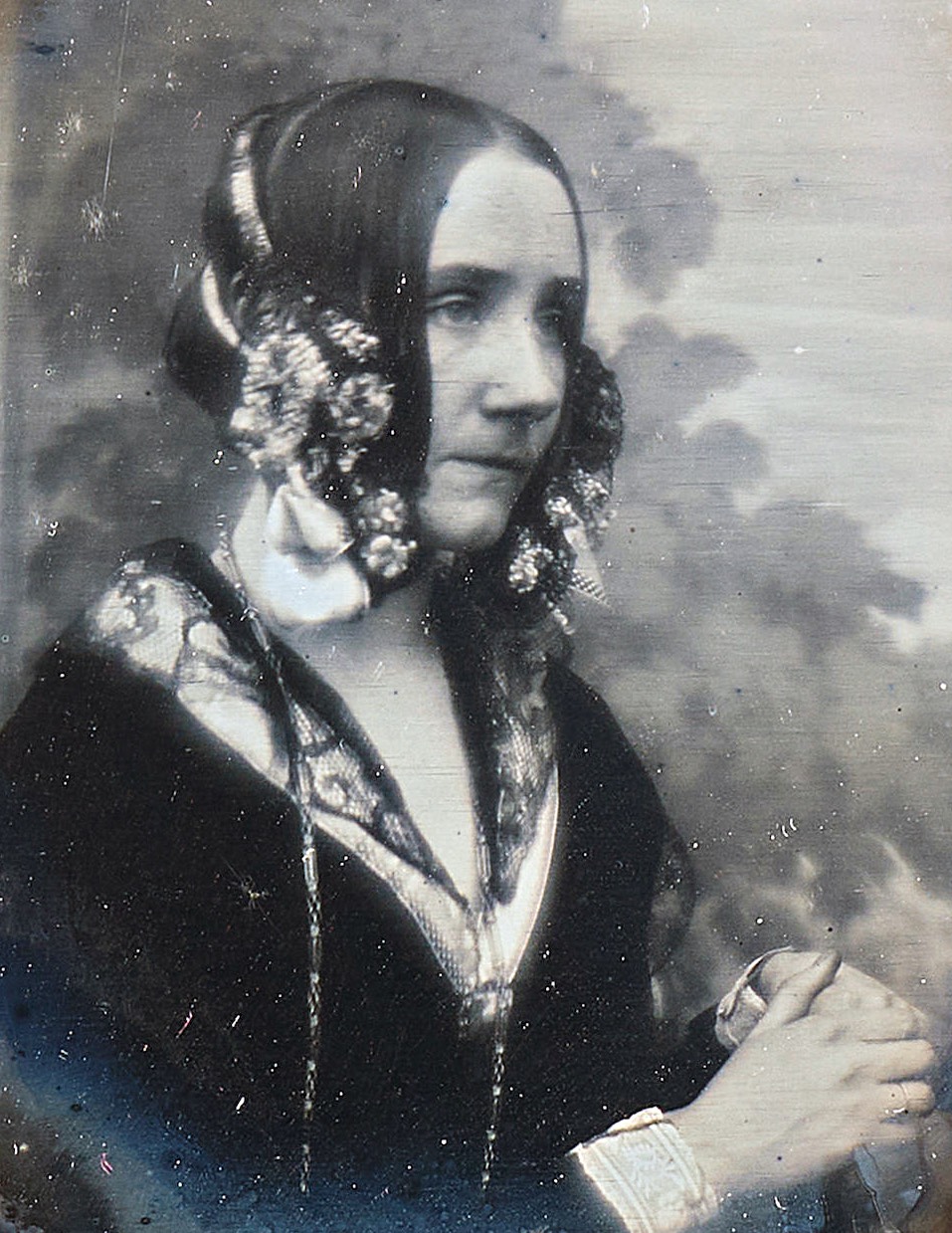
In 1828, twelve-year-old Ada Byron started a project she called “Flyology”. Her goal was to work out how a person could fly.
She studied birds methodically, examining their anatomy to find the right proportion between wings and body. She considered materials such as paper, oilsilk, wires and feathers, and planned to write a book of her findings, illustrated with her own drawings.
Her mother, Lady Byron, had pushed her towards mathematics partly to keep her away from the wild imagination of her father, the poet Lord Byron. Ada combined the two. She later called her approach “poetical science”.
Fifteen years later, translating an article about Charles Babbage’s Analytical Engine, she added notes three times longer than the original, including what is often called the first computer program. The girl who tried to understand birds became the woman who saw that machines could do more than calculate.
Sources
- Ada Byron, letters to Lady Byron (1828), Lovelace Byron Papers, Bodleian Library
- Betty Toole, Ada, the Enchantress of Numbers (1992)
“The Analytical Engine weaves algebraical patterns just as the Jacquard-loom weaves flowers and leaves.”Ada Lovelace
Read real Ada Lovelace quotes, with sources →
One real quote from history, every morning.
Kleos sends you a verified quote, the story behind it and a wallpaper, every day. Free to start. Join the waitlist for 1 month of Premium free at launch.
Join the waitlistMore about Ada Lovelace
More science stories


