The tower that was meant to power the world
On Long Island, Tesla built a giant tower to send messages, and he hoped one day electricity, through the air.

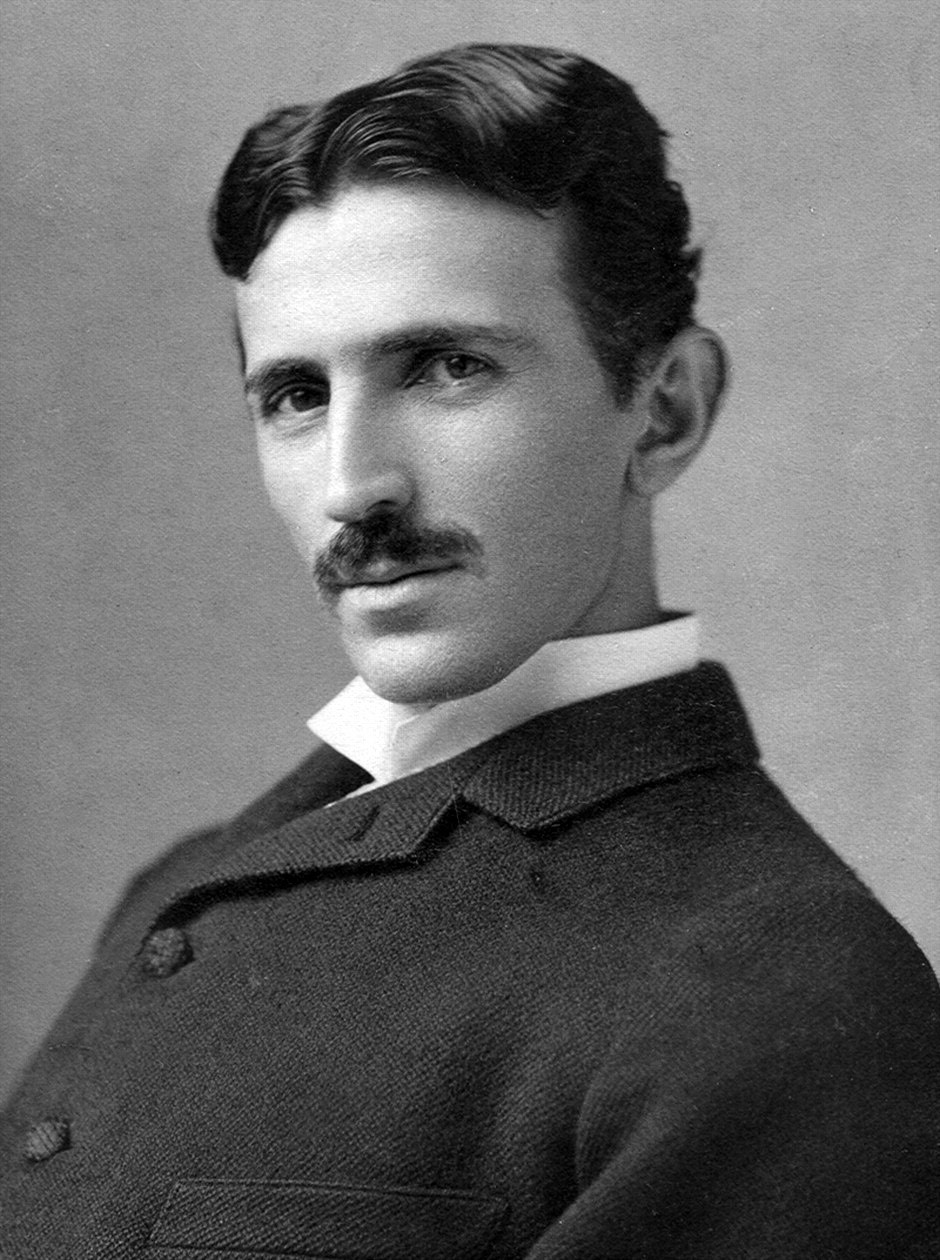
In 1901, with $150,000 from the banker J. P. Morgan, Tesla began building a laboratory and a tower about 57 metres tall at Shoreham, Long Island. He called the site Wardenclyffe. Officially it was for wireless communication across the Atlantic.
Tesla’s real ambition was bigger. He believed the Earth itself could be used as a conductor, and that one day power could be sent without wires to anywhere on the planet.
Then, in December 1901, Guglielmo Marconi sent a radio signal across the Atlantic using far simpler equipment. Costs at Wardenclyffe kept rising, and Morgan refused to invest more. A popular story says he asked where he could put the meter if power was free for everyone.
Work stopped around 1905. The tower was demolished in 1917 and sold for scrap to pay Tesla’s debts. He died in 1943 in a New York hotel room, nearly penniless. But his laboratory building still stands, saved by public donations in 2013 and turned into a museum for the man who imagined a wireless world a century early.
Sources
- Nikola Tesla, My Inventions (1919)
- W. Bernard Carlson, Tesla: Inventor of the Electrical Age (2013)
- Tesla Science Center at Wardenclyffe
“The present is theirs; the future, for which I really worked, is mine.”Nikola Tesla
Read real Nikola Tesla quotes, with sources →
One real quote from history, every morning.
Kleos sends you a verified quote, the story behind it and a wallpaper, every day. Free to start. Join the waitlist for 1 month of Premium free at launch.
Join the waitlistMore about Nikola Tesla
More science stories


